
15 November 2025
Regenerative agriculture is a production approach designed to restore and enhance soil health rather than merely limit its exploitation. It is not just about reducing environmental impact — it’s about regenerating the land by increasing fertility, biodiversity and the soil’s ability to retain water and carbon.
This practice combines ancient techniques with modern innovations, relying on ecological principles that put soil vitality at the center. In a context marked by climate change and declining soil quality, regenerative agriculture represents a concrete and forward-thinking solution for more sustainable and productive farming.

Regenerative agriculture is based on several key agronomic practices that work together to bring life back to the soil and crops. These practices typically include:
Together, these techniques make the soil more resilient, capable of self-regeneration and able to support plant growth in a balanced way.
The advantages of regenerative agriculture extend far beyond the visible field. A living, fertile soil means healthier crops, reduced need for chemical inputs and greater resistance to environmental stress. It is an approach that looks ahead, requiring a long-term mindset and investments that go beyond the immediate future — a shift in agricultural philosophy that is already underway.
These benefits are numerous and significant:
Regenerative agriculture is not just a set of agronomic techniques — it is a true production philosophy, aiming to balance productivity with ecosystem health.
In Italy, regenerative agriculture is gaining traction, especially among farmers aiming to combine innovation with sustainability. From vineyards to fruit and vegetable crops, more and more producers are adopting regenerative methods to improve soil quality and achieve long-term yields.
Italy’s climatic conditions, together with its rich agricultural biodiversity, provide an ideal context for experimenting with and implementing regenerative practices. Moreover, European projects and incentives are supporting the transition toward farming models that value natural capital.
As reported by Fruit Journal, there is still much work to be done, as Italy’s soils are often in a condition considered critical. But, as the magazine emphasizes, “the solution is beneath our feet.”
To implement regenerative agriculture, it is essential to work the soil strategically, respecting its structure and supporting natural biological processes.
Some of the most common techniques include:
In this context, using specific and adjustable equipment allows farmers to apply regenerative principles with greater precision and efficiency.
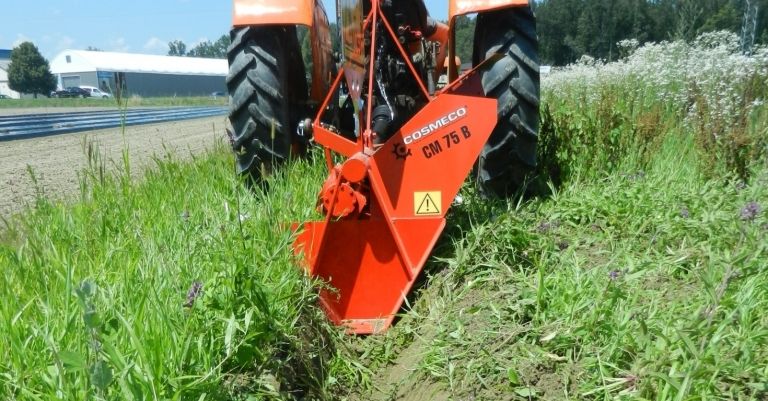
Regenerative agriculture represents the natural evolution toward a more balanced, productive, and soil-friendly farming system. It is a vision that combines agronomic knowledge, technology, and environmental awareness, with the goal of revitalizing the land and building a more sustainable future for crops.
Thanks to Cosmeco machines, every farmer can adopt regenerative practices easily and effectively, improving soil quality and increasing farm profitability. The company has always focused on providing equipment aligned with new models of sustainable agriculture.
Cosmeco’s Research & Development department is constantly working to improve machine performance, reduce environmental impact, and optimize operations. The goal is clear: to create tools that help farmers cultivate more efficiently and regeneratively, while fully respecting the environment and natural resources.
In a forward-looking agricultural landscape, mechanical solutions become an integral part of the regenerative process — tools that not only work the soil but enhance it, preparing it for healthy and sustainable growth.
Want to know more about Cosmeco machines suitable for regenerative agriculture? Visit the Contact Us page for a personalized consultation or to find out which machine best suits your crops.
Need more information about one of our products or need a tailor-made quote?
Don't hesitate to contact us and we will get back to you as soon as possible.